10 September 2006

Sand Sedge Spreading at Shore


The Jersey shore - our beloved shore. After I got back from my Avalon trip, I remembered having read something about an invasive sedge at the shore. Sure enough - I found the culprit (in print, not in person). Asiatic sand sedge (Carex kobomugi)

04 September 2006

Avalon's Dunes

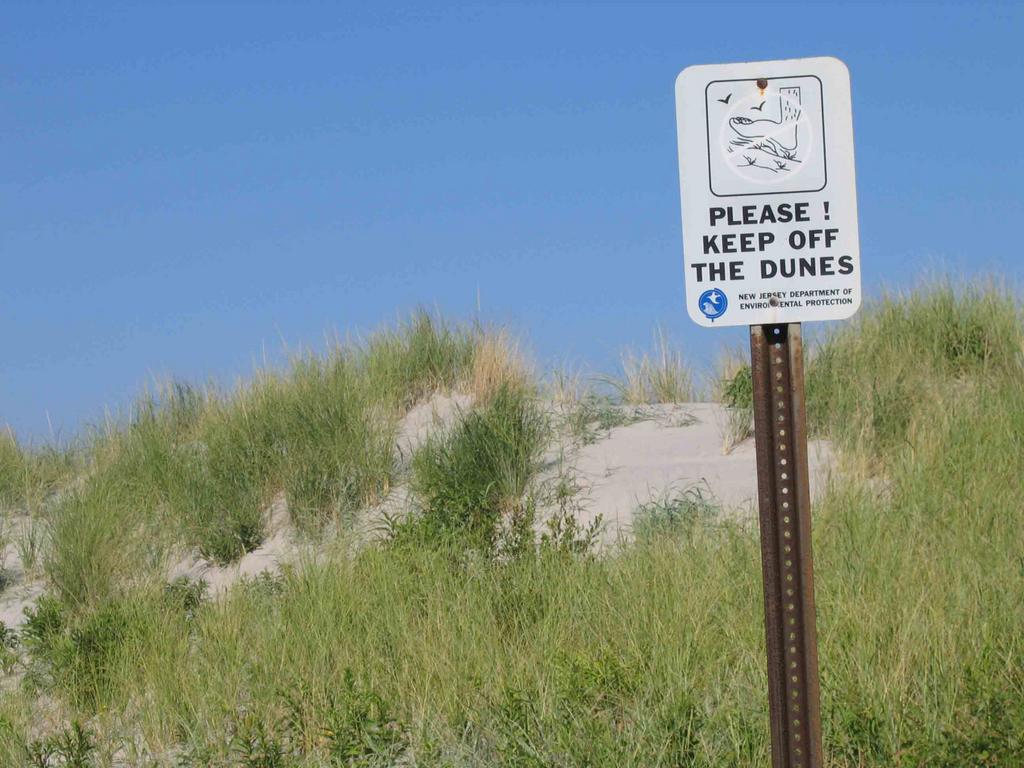
In our second installment of looking at plants in Avalon, NJ, we go from the garden to the dune, much more fun. I didn't walk on the dunes, mind you. Just along the designated pathways.
Dunes! Filled with grasses and forbs.
Maybe the most famous dune occupant, beach grass (Ammophila breviligulata). This is the species that is planted in rows whenever there is an effort made to save the beaches from erosion. Through its extensive root system, beach grass binds the loose sandy soils together. This stability allows other plants to colonize the dunes. Avalon has been preserving it's dunes for over 30 years. (They are allowing new development in the salt marshes, however, but that's for another day).
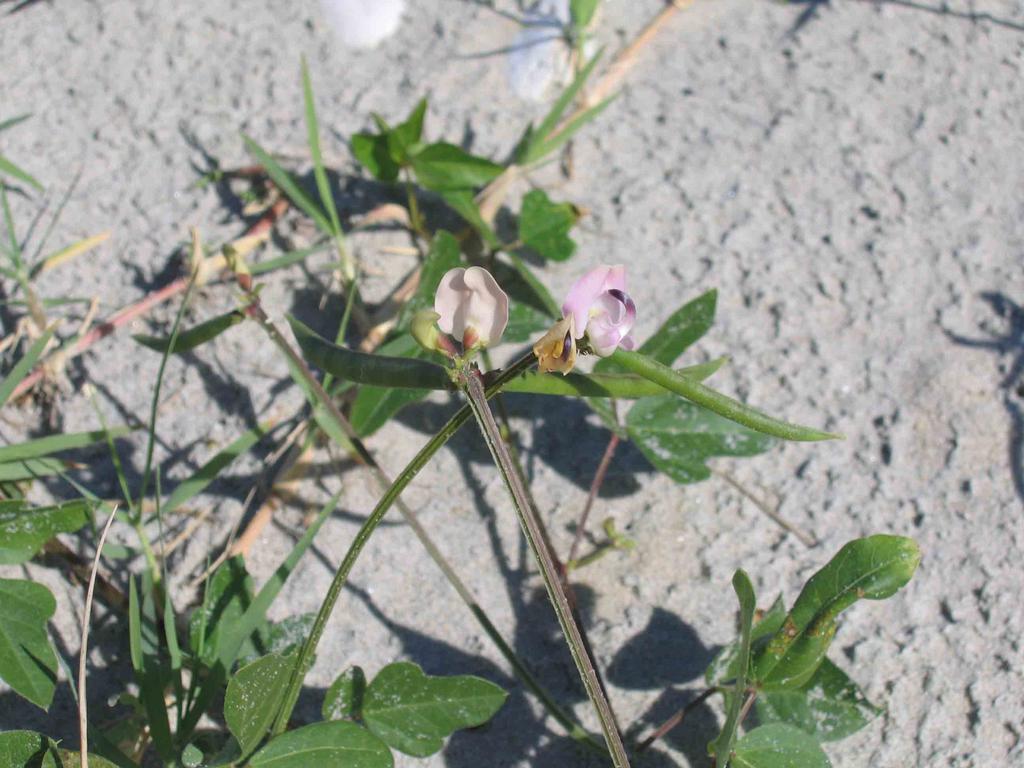
This is a neat plant, trailing wild bean (Strophostyles helvola). It's uncommon in New York City, but fairly common in NJ - because it loves these outer coastal plains. It's a ground-trailing vine in the pea family. This plant is very similar to
pink wild bean (S. umbellata), which is rare in NY State.


Note the fruits are encased in bean-like pods.

03 September 2006

Avalon's Gardens

I'm lucky enough to be able to spend Labor Day weekends down the shore in Avalon, NJ. (And, it is "down the shore", not "at the beach"). Between lying on the beach, under an umbrella and jaunts in the ocean, I, of course, walk the neighborhood and scout out plants. Here, I present "Avalon's Gardens: Dos & Don'ts".

A definite do! Switchgrass (Panicum virgatum) is a great choice for the full sun and well-drained soils that dominate the yards in Avalon. This is a grass that you'd find occurring on its own in such a site. (Ignore the exotic boxwood and juniper flanking it).
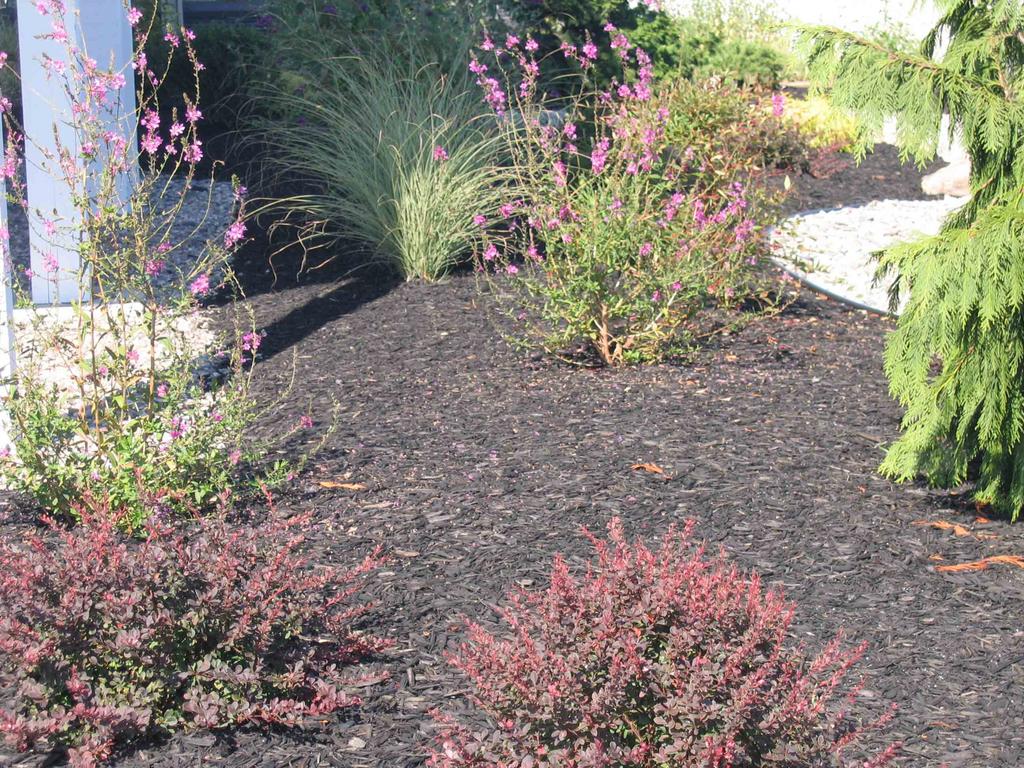
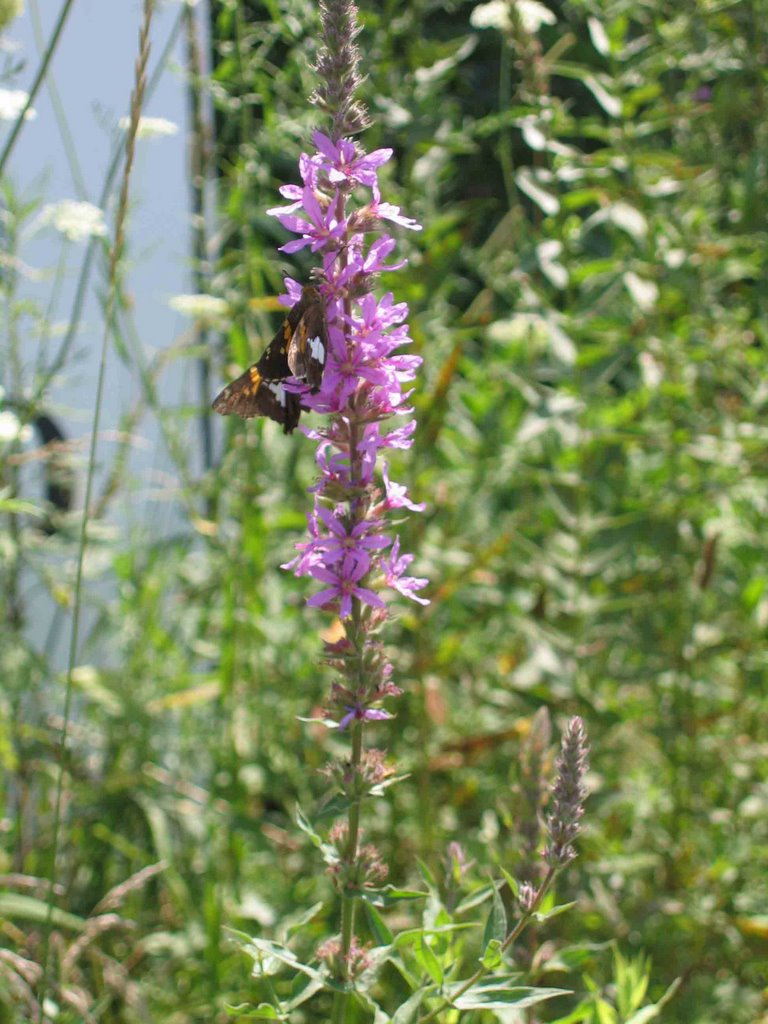
A definite don't! Japanese barberry (Berberis thunbergii) and purple loosestrife (Lythrum salicaria) are highly invasive! And, what's with the cedar chip fetish?
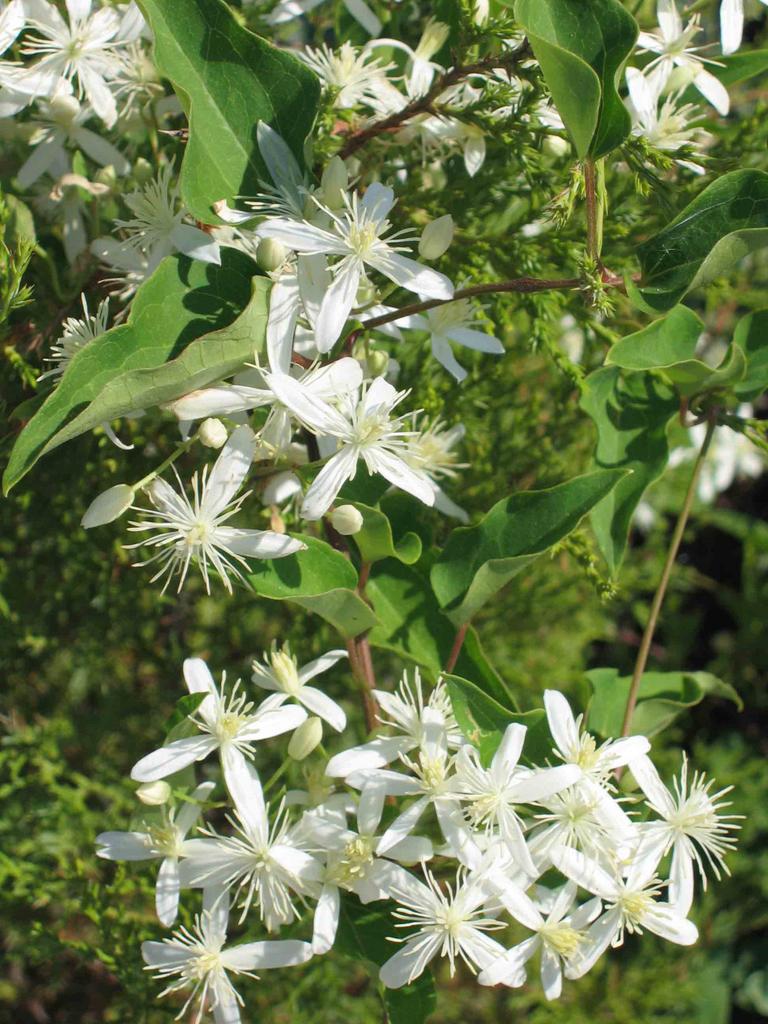
Yam-leaved clematis (Clematis terniflora). Looks great, smells nice, invasive. A don't. This photograph was taken in someone's front yard. You know where else I saw this plant? Along the trees of the Garden State Parkway, for miles and miles.
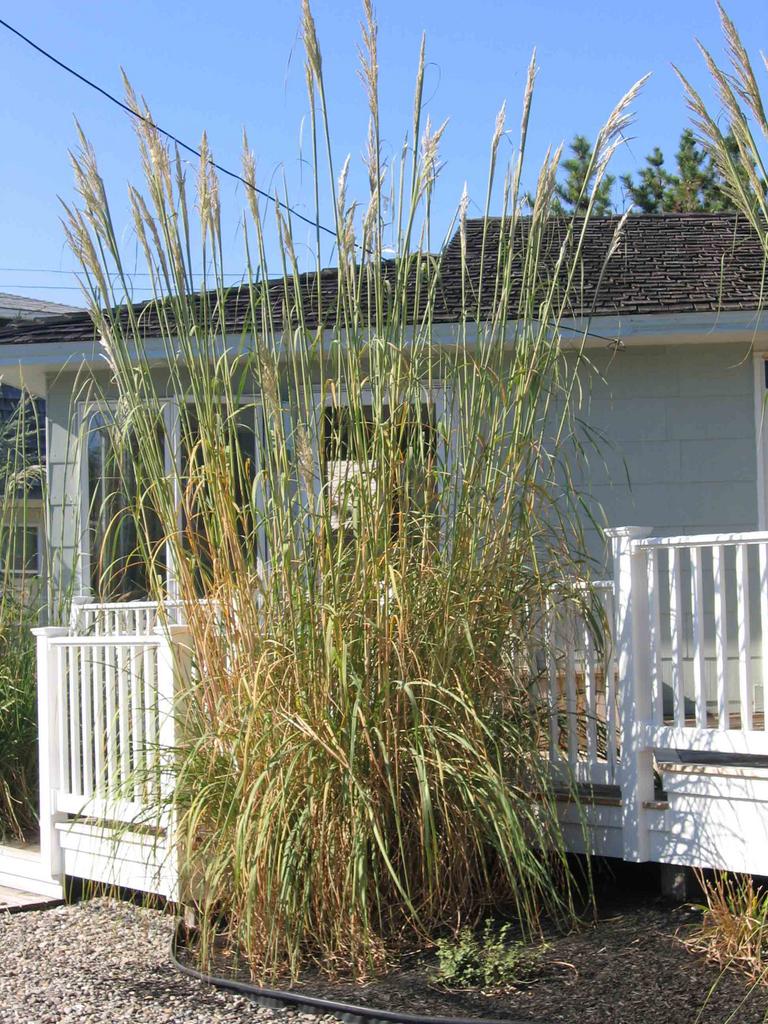
Ah no! Chinese silver grass (Miscanthus sinensis) - invasive! (And obnoxiously huge, no?)

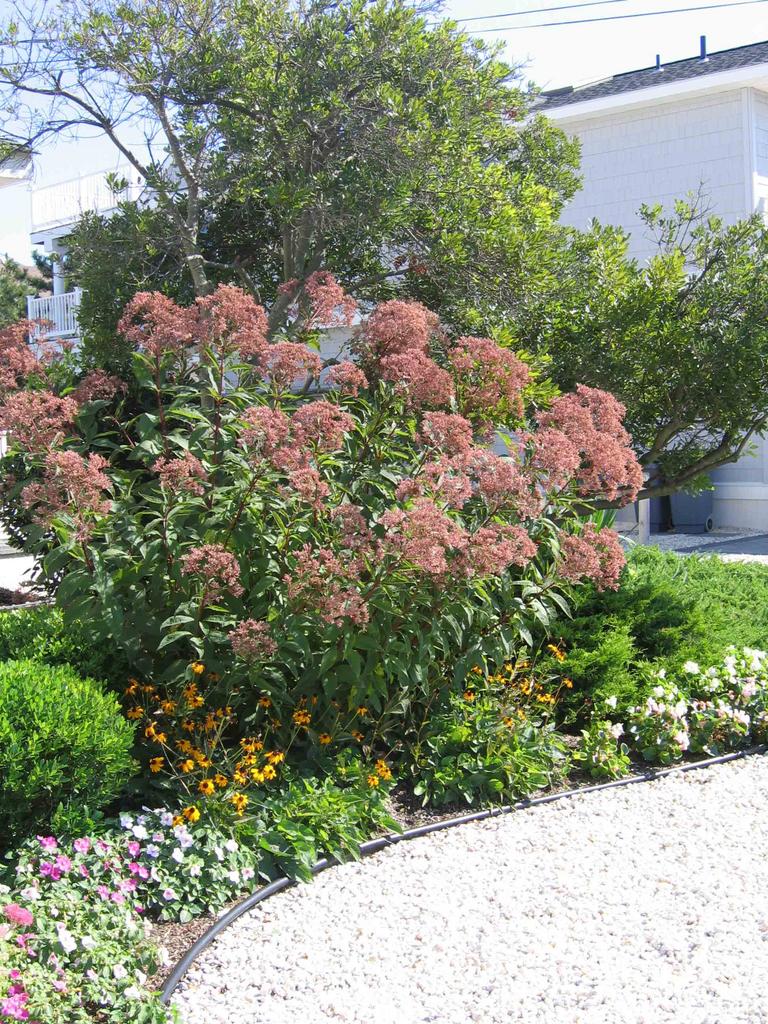
To end on a positive note - a joe-pye weed(Eupatorium sp.). A definite do, and quite the looker. Its a great nectar plant for butterflies, and has interesting seedheads in winter.

30 August 2006

Back in the saddle

I'm back to posting! Sorry for the very long radio silence, but as I was pregnant, field work became extremely arduous and I stopped lugging my camera around. Then the summer was spent home with the baby, looking at plants in Prospect Park. Not a whole lot going on, in other words.

But I've been craving dirty hands and my Gleason & Cronquist for months and now I get to indulge!

01 December 2005

NY Sues over Invasive Pests

Asian longhorned beetles (Anoplophora glabripennis)

The states of New York, California, Connecticut and Illinois are suing the U.S. Department of Agriculture (USDA) for failing to impose effective controls against destructive insects that enter the country in shipping pallets and other wooden packaging.

Invasive insect pests - - such as the Asian long-horned beetle (Anoplophora glabripennis), emerald ash borer (Agrilus planipennis), and pine shoot beetle (Tomicus piniperda) - enter the country in wooden pallets and other packaging made from raw wood. These pests have caused significant damage to trees in New York City, Long Island, Chicago and other communities. Thousands of trees have been destroyed in an effort to prevent the spread of these pests, which have few local predators or diseases to kill them. If these destructive insects spread from U.S. ports of entry into the nation's forests, they could further damage the timber, tree nursery, fruit orchard, maple syrup, and tourism industries.

Read more on the lawsuit

More information on the Asian long-horned beetle, emerald ash borer, and pine shoot beetle

18 November 2005

Darwin in NYC

The exhibition is billed as the "broadest and most complete collection ever assembled of specimens, artifacts, original manuscripts and memorabilia related to Darwin."

On view until May 29, Darwin exhibit at the American Museum of Natural History

04 November 2005

Now showing in Alaska


When talking about purple loosestrife (Lythrum salicaria), the noxious "purple menace" invader from Europe, its distribution in the United States is always mentioned. "Found in the continental U.S." or "in 48 states". Make that 49 - now appearing in Alaska as well. There are no safe harbors.